By Pooja Chhabra
Language classrooms are incomplete without games. These are not just fun elements of your class, they help in breaking the rigidity around usage of language. This Part II of Digital Language Games mainly consists of grammar games. However, part I concerned Vocabulary building games across age groups and language levels.
Grammar has always been a part of language class beginning from grade one to grade twelve. Yet, students find it challenging. The sole reason behind this is segregating language learning and grammar. Grammar is not taught in an integrated manner to the students. Therefore, despite being a language learner for years students struggle with the idea of adjectives, adverbs, and sentence formation.
Here are few grammar games that can help a teacher or parent in teaching grammar in an integrated manner.
Noun Games

Nouns are the first topic introduced in grammar to young kids. Considering its vitality in the language there are various games teachers opt for while teaching or introducing nouns such as Name, place, animal, thing, noun spy and others. While for digital games you can refer to the link to play various noun games.
Age Group: 6 years+
Link: https://www.englishclub.com/esl-games/grammar/nouns.htm
Adjective Games

Next topic comes immediately after a noun is an adjective. An adjective describes a noun. Adjectives contribute to a wide range of vocabulary in our language. Picking the right adjective to select the best synonym or antonym for the word along with adding more than one adjective to a word. These games are effective in no time. Moreover, they are mobile friendly too therefore can be used as learning while travelling.
Age Group: 5 years+
Link: https://www.englishclub.com/esl-games/grammar/adjectives.htm
Verb Games
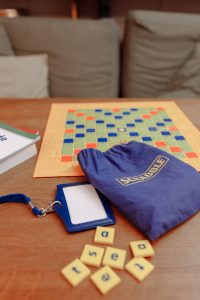
Tenses and verbs are two lifelines of the English language. While most believe that the three tenses Present, Past and Future sums up the entire grammar. Well, it’s not true but yes tenses and verbs are an indispensable part of the grammar. These games will speed up your learning and understanding.
Age Group: 6 years+
Link: https://www.englishclub.com/esl-games/grammar/verb-tense-games.htm
Adverb Games

Just the way we talk about adjectives after nouns; we talk about adverbs after verbs. It’s not that they are used with verbs alone. Adverbs can be used with nouns, adjectives, verbs and adverbs too.
Let’s find out from the examples:
Noun: Place the box carefully.
Verb: He intentionally moved the bag.
Adjective: You can tell, he was clearly attentive.
Adverb: You can definitely never predict what will happen next in life.
Age Group: 7 years+
Link: https://www.englishclub.com/esl-games/grammar/adverbs.htm
Preposition Games

Direction, position and time hold an importance in making a connection among the various parts of speech. Prepositions are those words that make a sentence meaningful with their correct usage and placement. We instruct the kids from the beginning what to keep and where to keep; such simple games of prepositions makes it easier to identify locations and give directions and instructions.
Age Group: 6years+
Link: https://www.gamestolearnenglish.com/prepositions-game/
Framing Sentences/Phrases

All the above parts of speech are mostly taught in a fragmented manner. Therefore, we struggle while putting them together. Oftenly, the errors we make arise due to this fragment learning. You can bring your understanding of various parts of speech by forming sentences or phrases in correct order.
Age Group: 5 years+
Link: https://www.gamestolearnenglish.com/fast-phrases/
Generate Your MadLibs

Learning grammar isn’t supposed to be monotonous. There are fun games too and one such game is Madlibs. Your entire understanding of parts of speech can be implemented over here. It is the culmination of all the parts of speech where a student has to fill in various blanks in a story from their understanding.
This can be adapted into games like rapid fire.
Age Group: 9years+
Link:https://www.glowwordbooks.com/blog/category/kids-online-mad-libs/
Link: https://www.madtakes.com/libs/188.html
Link: https://www.squiglysplayhouse.com/WritingCorner/StoryBuilder/
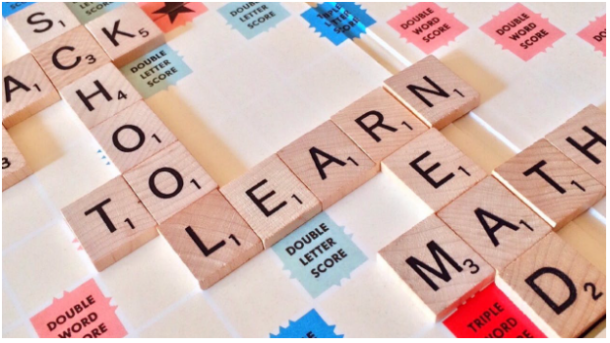
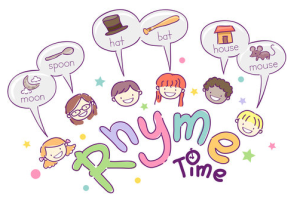
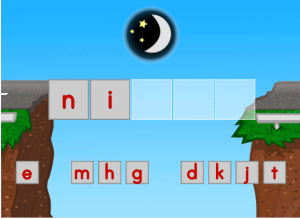
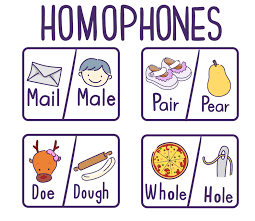

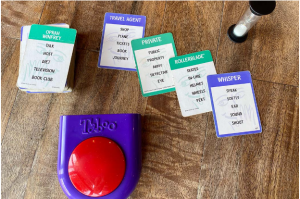
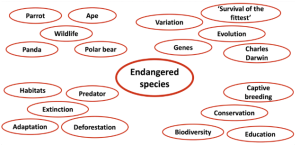
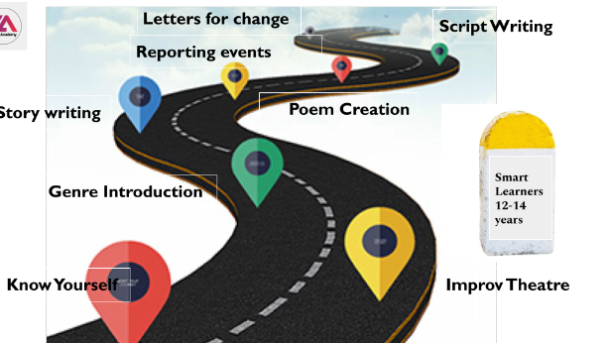




 Zeals Academy offers integrated English language courses from age group 6 to 60. Here are the milestones achieved by smart learners. The process behind these achievements are extensive little steps. Join Zeals Academy to experience new age English Language Learning. Fill the form to book your trial session.
 When we hear this word we remember Shakespeare because he told us to be or not to be. Soliloquy reflects the state of mind of a character, reveals secrets and as a character, it allows you to be in those shoes; speak, act, behave.
 Real life doesn’t work on scripts. So our conversations can’t be planned but they can be practiced. A practiced conversation is always better than impromptu. This would prepare you to slide away from awkward silence in a small talk, a smooth goodbye and dealing with embarrassing questions.
 You must be wondering, isn’t this contradictory to the previous one. Yes sure does, but have you heard about stepping into someone’s shoes? That’s exactly the role of this activity in a language classroom. Learning sensitivity, empathy, cultural awareness all can be introduced comfortably.
 We live in a LIVE world without script, improv prepares you for that with characters on stage directing themselves and writing their own plot simultaneously. A fun, spontaneous experience to evaluate and enhance your creativity.
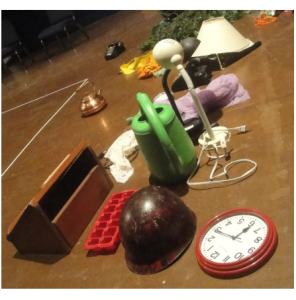 This is not a new concept to be introduced. This has been practiced by young kids for generations. We often secretly admire when we see kids talking to the toys. They are a part of object theatre from beginning. Personifying the object and thus learning important skills such as voice modulation, expressing emotions. It is a wonderful activity to explore the inner emotions of young children.






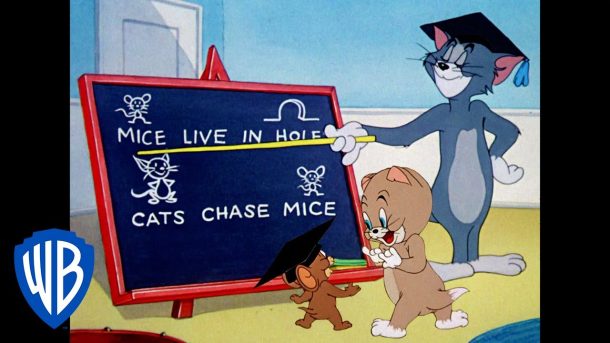







 A kind of learner who learns best when presented with some materials such as diagrams, photographs, charts, or videos. They tend to perceive information by looking, analysing the information provided, and results in the best learning experience and retaining the information. Using pictures, flash cards, graphical presentation of information are useful way of engaging visual learners and forming associations.
 Listening is an important skill, an active listener can excel in their field. Auditory learners are amazing listeners. They do not prefer any sort of disturbance while listening. They can retain most information just by listening. You must have witnessed some students who do not take notes and still remember everything. They are auditory learners. Even writing notes can be a distraction for such learners.
 Hands-on experience, this term is not new in today’s time. This term represents the teaching methodology for Kinesthetic learners. They are also known as tactile learners, which means to touch. This method is often opted in pre-schools and at a young age, where a child is taught through experimental methods. Such activities include making puppets, using props while storytelling, Use of gestures to memorize vocabulary.