By Pooja Chhabra
Games are recreational and can prove to be yielding by all means if considered generously. Their incorporation in language has always played an incredible role in the learning process. Games are versatile enough to be adapted in various ways for digital and in-person language sessions.
Here, we are listing down a few language games that can be incorporated by teachers in their class as well as by parents to involve kids in productive screen time.
PAIR UP THE RHYMING WORDS
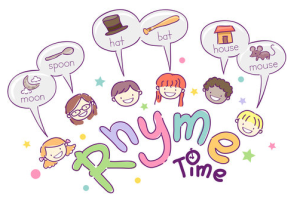
Even before our kids enter school we introduce them to rhymes. The rhythm and rhyme involves young minds. We need to bring back that idea of involving kids in learning and generating new rhyming words.
Age Group: 5 to10 years
Link: https://www.englishclub.com/esl-games/pronunciation/rhyming-pairs.htm
CAN YOU SPELL IT?
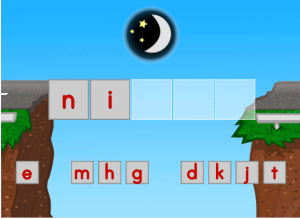
Many children struggle with new words and their spellings. There are various games to involve kids to rectify their spelling issues rather than waiting for them to overcome them over time. Spellings can be introduced in various different ways such as missing letters, word search, unscramble and many more.
If the child is struggling with phonetics then games like long and short vowel sounds, initial sounds, blends, audio word match are tested as useful.
Age Group: 5 to 14 years
Link: https://www.spellingcity.com/spelling-games-vocabulary-games.html#
KNOW THE HOMOPHONES
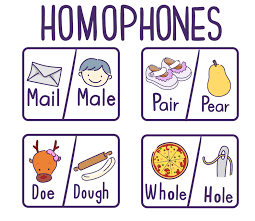
“Write see not c.”
“Write see not c.”
“I said weight, not wait.”
Welcome to the world of homophones, we all have struggled with words having the same sound but different spellings but not anymore.
It’s not just kids; even adults are not big fans of them. Here is a fun way of learning and remembering them that caters to a wide range of language learners.
Age Group: 5 years to Adults
Link: https://www.englishclub.com/esl-games/pronunciation/matching-homophones.htm
CROSSWORD PUZZLES

This is never getting old for language lovers. From solving crossword puzzles in a textbook to locating them in newspapers is a long journey to travel. Here is a digital mid way for beginners to satisfy your budding curiosities and develop vocabulary.
Age Group: 7years+
Link: https://www.englishclub.com/esl-games/vocabulary/crossword.htm
TABOO
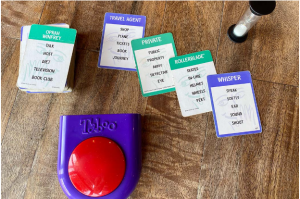
This is never getting old for language lovers. From solving crossword puzzles in a textbook to locating them in newspapers is a long journey to travel. Here is a digital mid way for beginners to satisfy your budding curiosities and develop vocabulary.
Age Group: 7years+
Link: https://www.englishclub.com/esl-games/vocabulary/crossword.htm
BUILD VOCABULARY
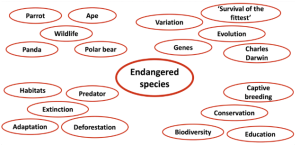
Screen time at a very young age is not advisable therefore parents can take suggestions from the link and involve the young learners in developing their vocabulary. This can be helpful for older children and adults to develop vocabulary on specific topics such as countries, music, food and more.
Age Group: 3+